

Office culture and interior design through the decades

How did the office culture and interior design change through the years? Company culture and workspace design have been intertwined for years. The look and flow of a company’s office or studio will change because of the employees working there. Workspace evolution has seen us transition from very distinct styles, like the heavy, solid, and standardized workspaces in the 1950s to the more modern open and flexible offices.
When it comes to workspace evolution, a lot has changed in the last 7 decades. And if you run a business, these changes impact the way you approach workspace design because company culture always dictates workspace design.
Why have modern businesses moved away from the design of previous generations? The same reason each decade’s design is different from the last: the taste, style, and desires of the employees. Times and people change, and workspaces need to shift with them. Here’s a brief look at workspace evolution over the decades, so you can easily identify if you’re business is in need of an office makeover.
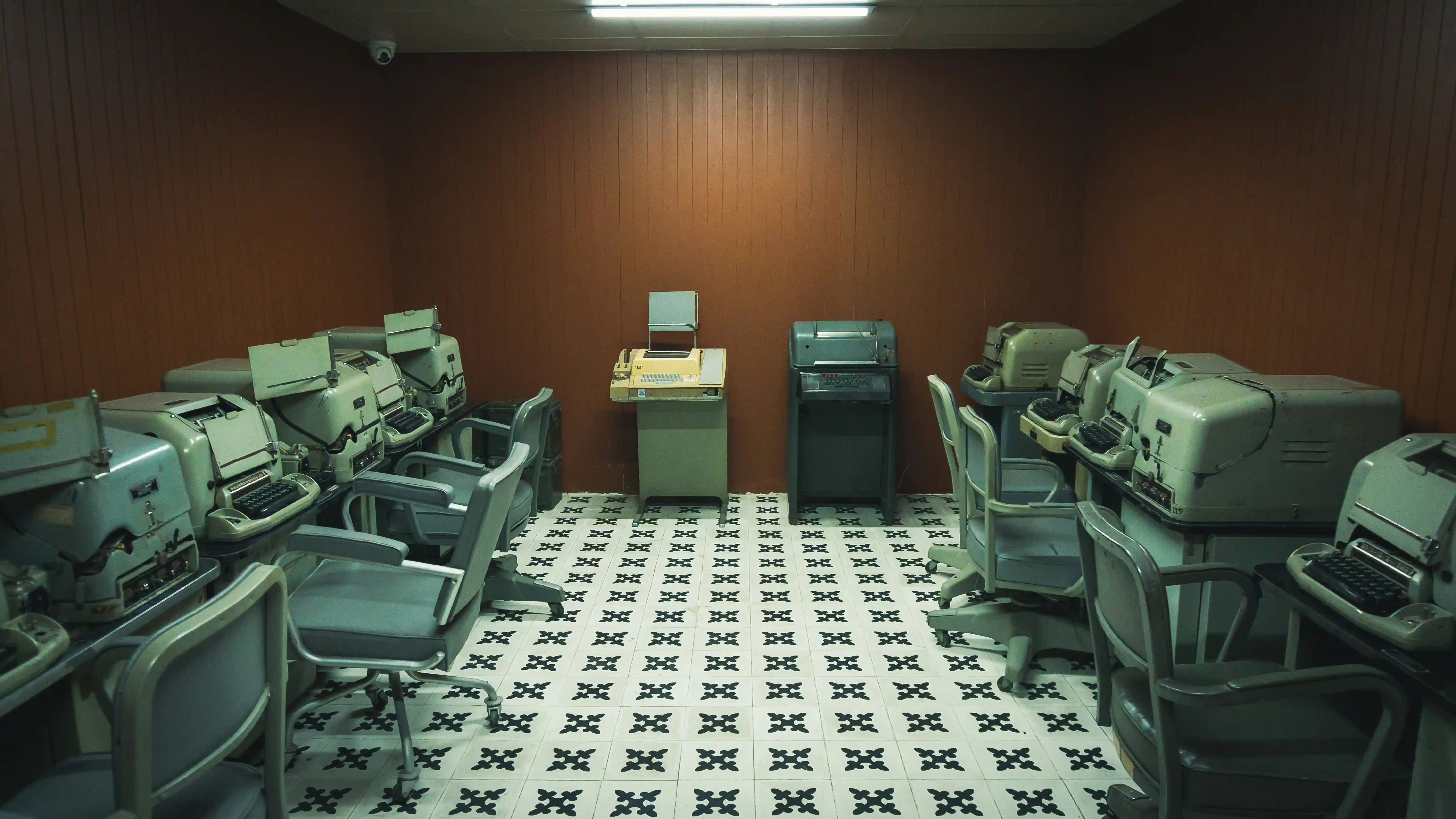
The 1950s: Control through standardization
Post-war corporate offices were modeled closely on factory floors - a direct product of Fordist thinking, where standardization was the engine of efficiency. Rows of identical desks filled large, open rooms so managers could oversee productivity at a glance. Heavy furniture, fluorescent lighting, and air conditioning were the defining features, deliberately cutting workers off from the outside world. Natural light and fresh air were seen as unnecessary distractions.
The role of the office here was pure output. It was a machine for getting work done, and the design reflected that entirely. Individual comfort, wellbeing, or any sense of personality had no place in the equation. Every desk looked the same because every worker was expected to function the same way.
The 1960s-80s: From open floors to cubicles
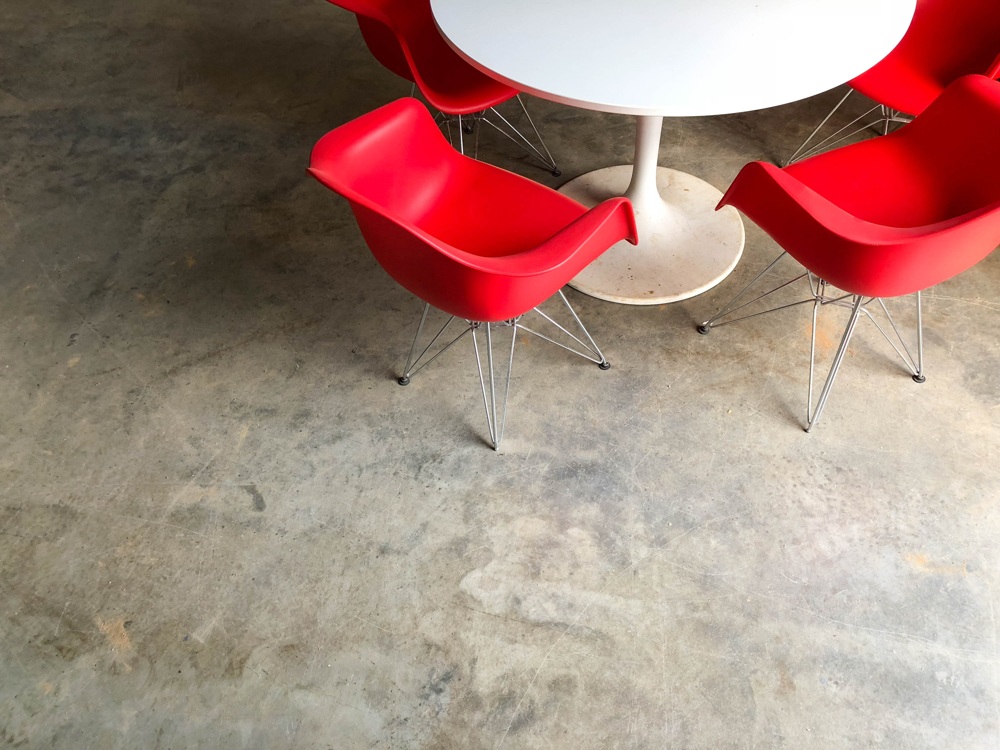
The social upheaval of the sixties disrupted the rigidity of the previous decade almost immediately. Influenced by pop culture and the values of a younger workforce, offices began introducing color, minimalist aesthetics, and a sense of modernity. Breaking away from the factory feel became a priority. For the first time, the office was somewhere people were expected to want to be.
By the seventies and eighties, the focus shifted toward individuality and status. This era gave us ergonomic furniture, early sustainability thinking, and eventually the cubicle - a response to the demand for privacy and personal space in a growing corporate world. The eighties in particular went all-in on a sharp, futuristic aesthetic: metal, glass, bold colors, and clean lines that projected power and ambition. The role of the office had evolved from control to performance - a stage for corporate identity, hierarchy, and professional image.
The 1990s: Tearing down walls
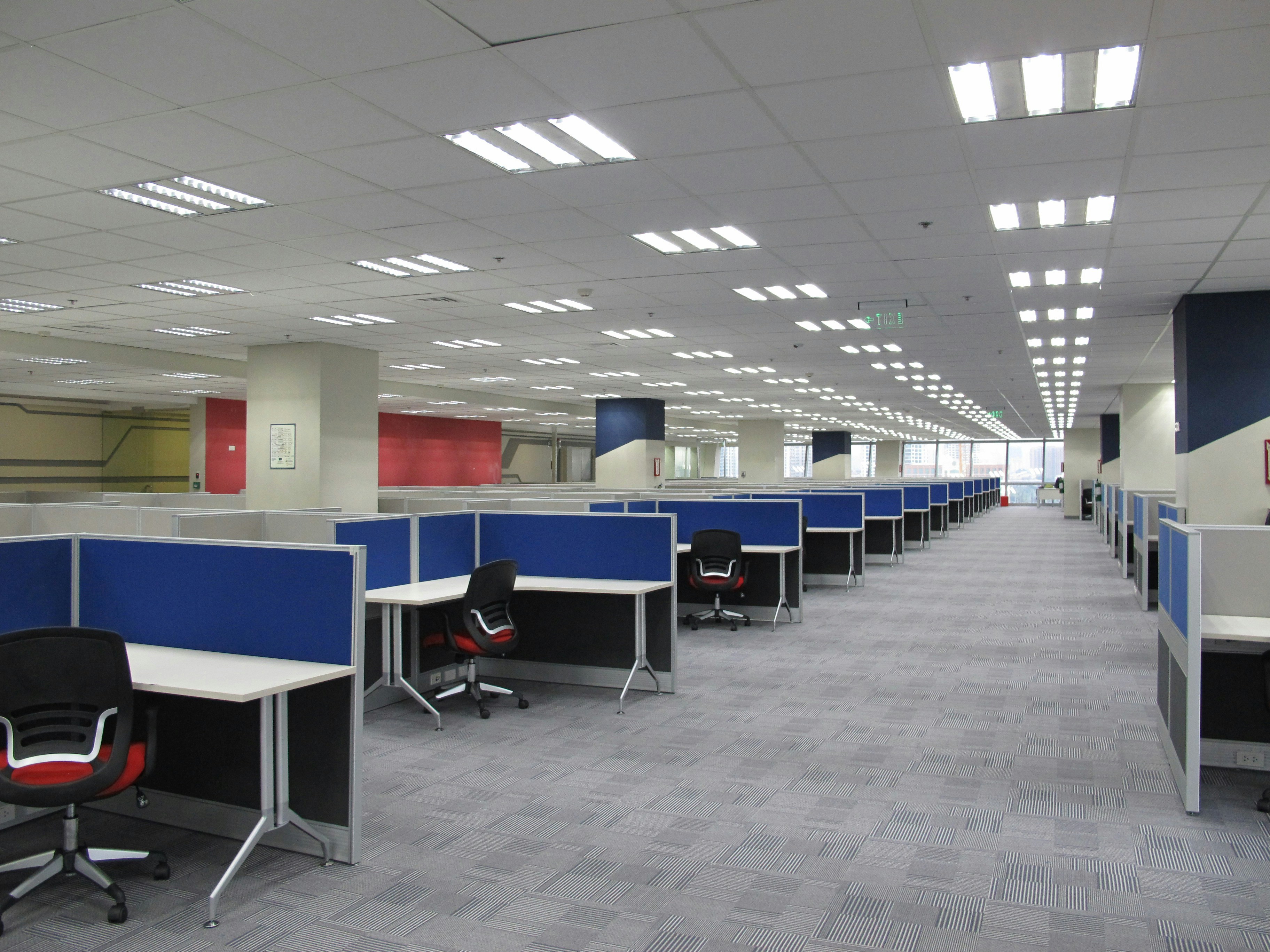
By the nineties, the pendulum swung back hard. The excess and rigidity of the previous decade felt dated, and a new emphasis on functionality and collaboration took over. Walls came down, cubicles were dismantled, and open-plan offices became the default. The logic was simple: if you remove barriers, people will connect and create together. Lighter technology meant lighter spaces, and the general mood was optimistic.
In practice, the results were mixed. Noise and distraction rose steadily, and many teams found themselves in spaces that promised creativity but made it harder to actually concentrate. The role of the office in this era was collaboration above everything else - but without much thought given to the other things people need from a workspace: quiet, privacy, and the ability to do focused individual work.
The 2000s-2010s: Coworking, remote, and the nomad era
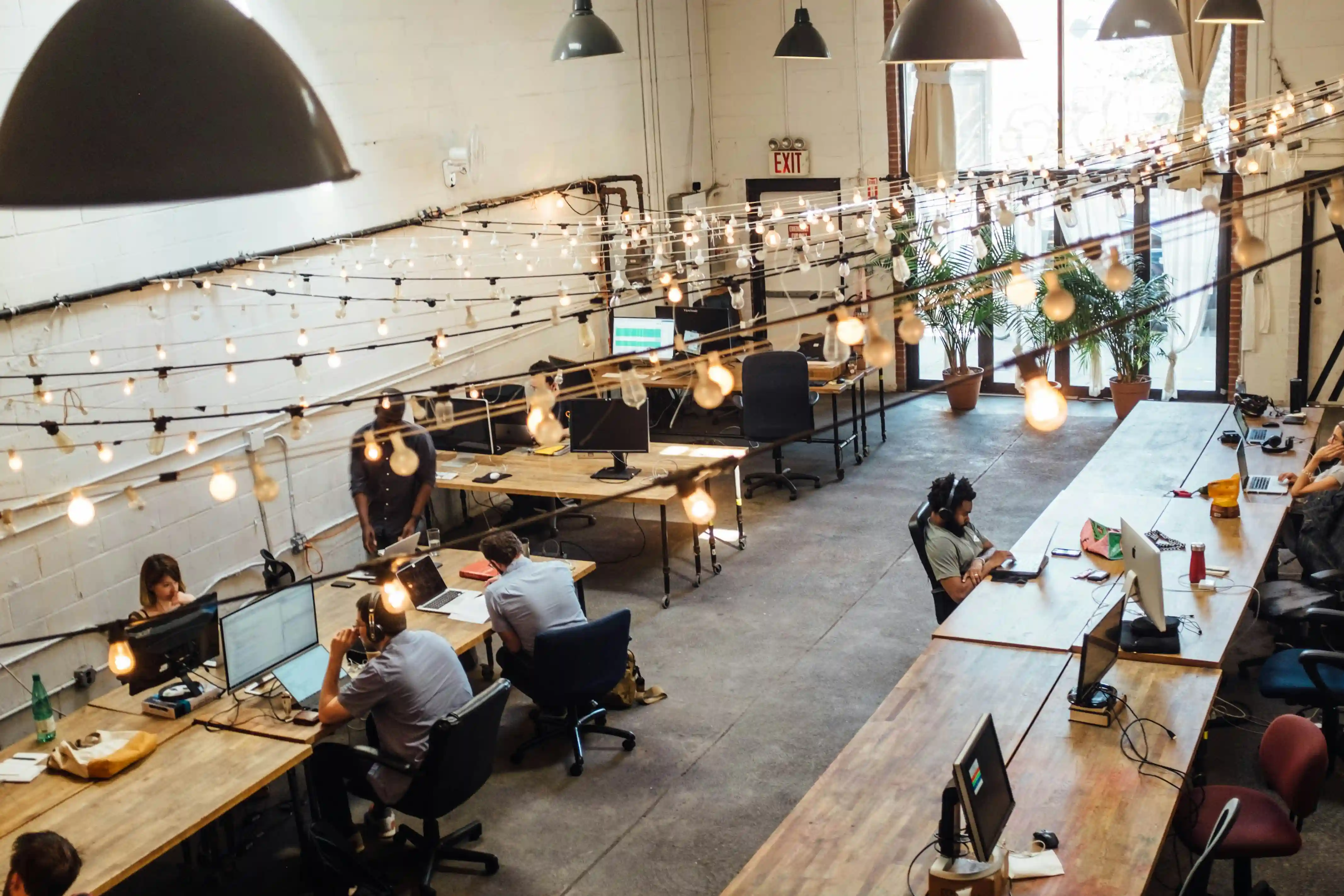
The early 2000s brought a genuinely new concept: coworking. Mixed communities of freelancers, start-ups, and independents sharing space, resources, and energy. It introduced a community-driven approach to workspace design - flexible desks, informal layouts, shared kitchens that doubled as social hubs. The office became less about the company and more about the individual's experience of working within it.
Then remote work tools matured and the digital nomad emerged. For a growing number of people, the office was somewhere you could choose to go rather than somewhere you had to be. Laptop-friendly cafés, co-working memberships, and distributed teams started to reshape what "going to work" actually meant. The role of the physical office began to be questioned for the first time.
2020-2023: The accidental hybrid
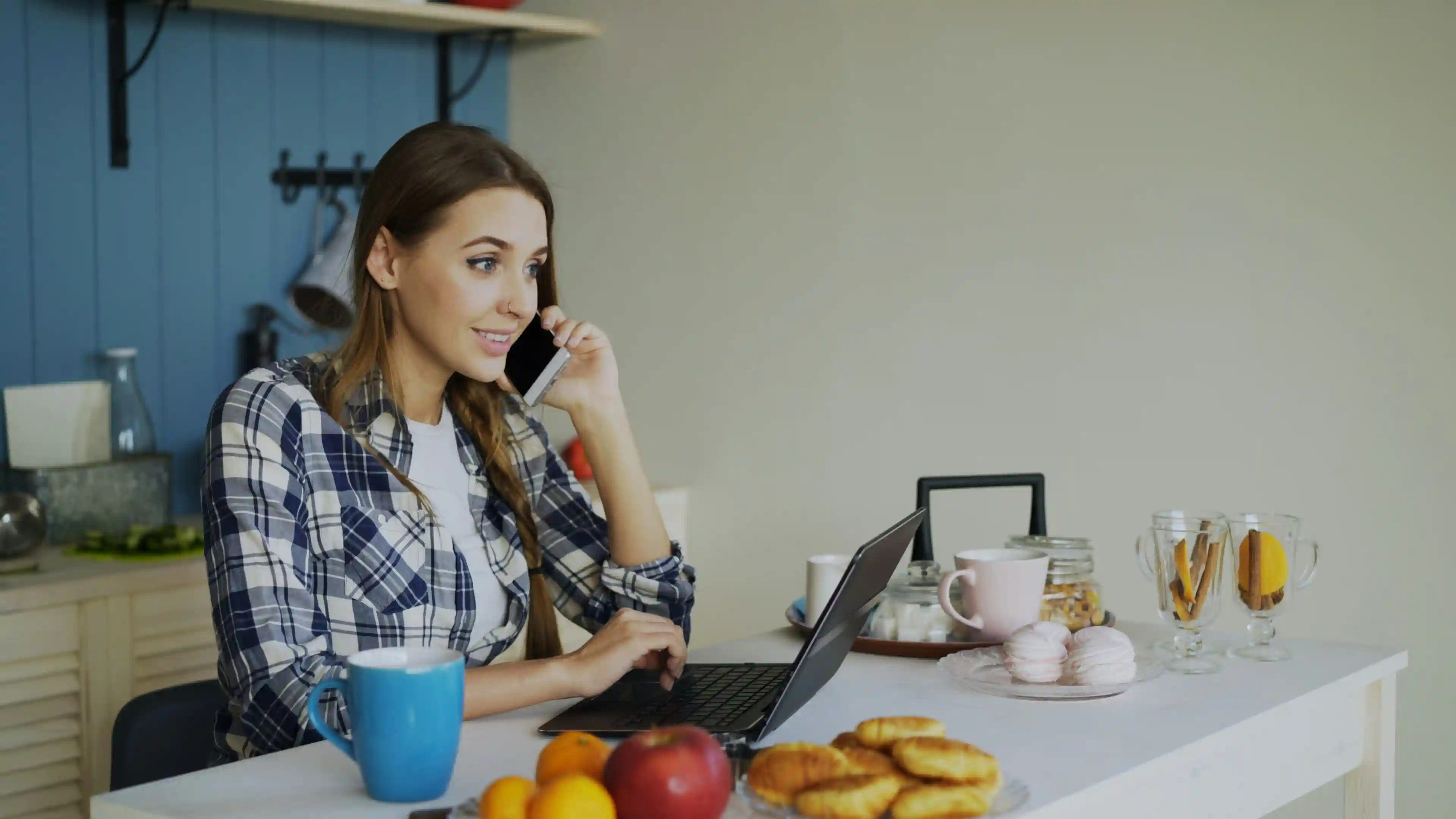
When the pandemic hit in 2020, kitchen tables became office desks overnight and everything moved online. Teams that had never worked remotely adapted faster than anyone expected. When restrictions lifted, most companies returned to some version of office life - but without a clear plan for what that should look like. The same old offices, with entirely new expectations. The result was confusion, distraction, and blurred lines between work and home. This is what we now call the accidental hybrid era.
The design consequences were real. Most offices hadn't changed, but the way people used them had changed completely. Spaces built for five days a week of full attendance sat half-empty on rotating schedules. Meeting rooms designed for in-person groups didn't work for mixed remote and in-person teams. And the informal moments that had always made office culture work - the spontaneous conversations, the shared lunch, the quick whiteboard session - were harder to engineer without intention.
2024-2026: The intentional hybrid era
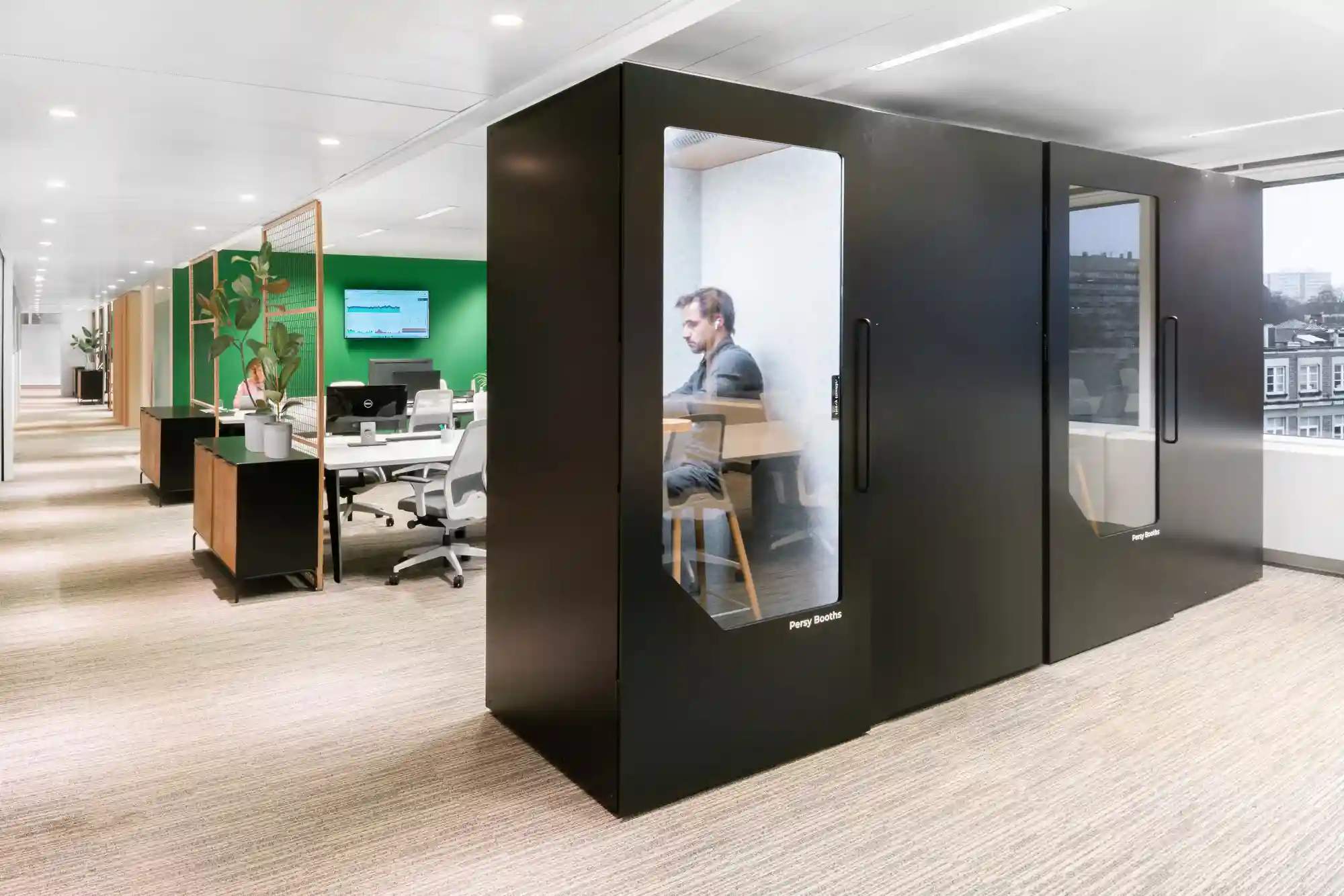
The companies doing this well have moved from hybrid by accident to hybrid by design. The office has a purpose again - but a different one than before. It's a destination, not a default. People come in for specific reasons: connection, creative momentum, focus, and collaboration. And the space is shaped around how teams actually work today.
The numbers make the stakes clear: 94% of employees expect schedule flexibility, 79% want location flexibility, and 85% say they want the option to work from an office when it suits them. And yet around 62% of offices haven't been redesigned since before the pandemic, around 61% of office space is regularly underused, and 66% of people say they're distracted when they do come in. There's a real gap between what people need from the office and what most offices actually offer.
People come in for people
When we ask teams why they come to the office, the answer is rarely "because I have to." People come for trust, for belonging, for the creative spark that happens when you're physically near colleagues. They come for mentorship, for the lunch conversation that unlocks a stuck problem, for the feeling of being part of something. The workspace either supports that or it doesn't. How can you optimize your workspace to support your people's needs today and in the future? Check out our presentation on turning good offices into great ones.
Workspace design has always reflected the people it's built for. The offices that will serve teams best in the years ahead are the ones designed with that in mind - flexible, human, and intentional.


